Junk Removal
Ottawa Condo Junk Removal: A Practical Plan for Elevators, Loading and Clean Handoffs
A practical Ottawa condo junk-removal guide covering elevator bookings, item lists, loading access, common-area protection and a clean final handoff.
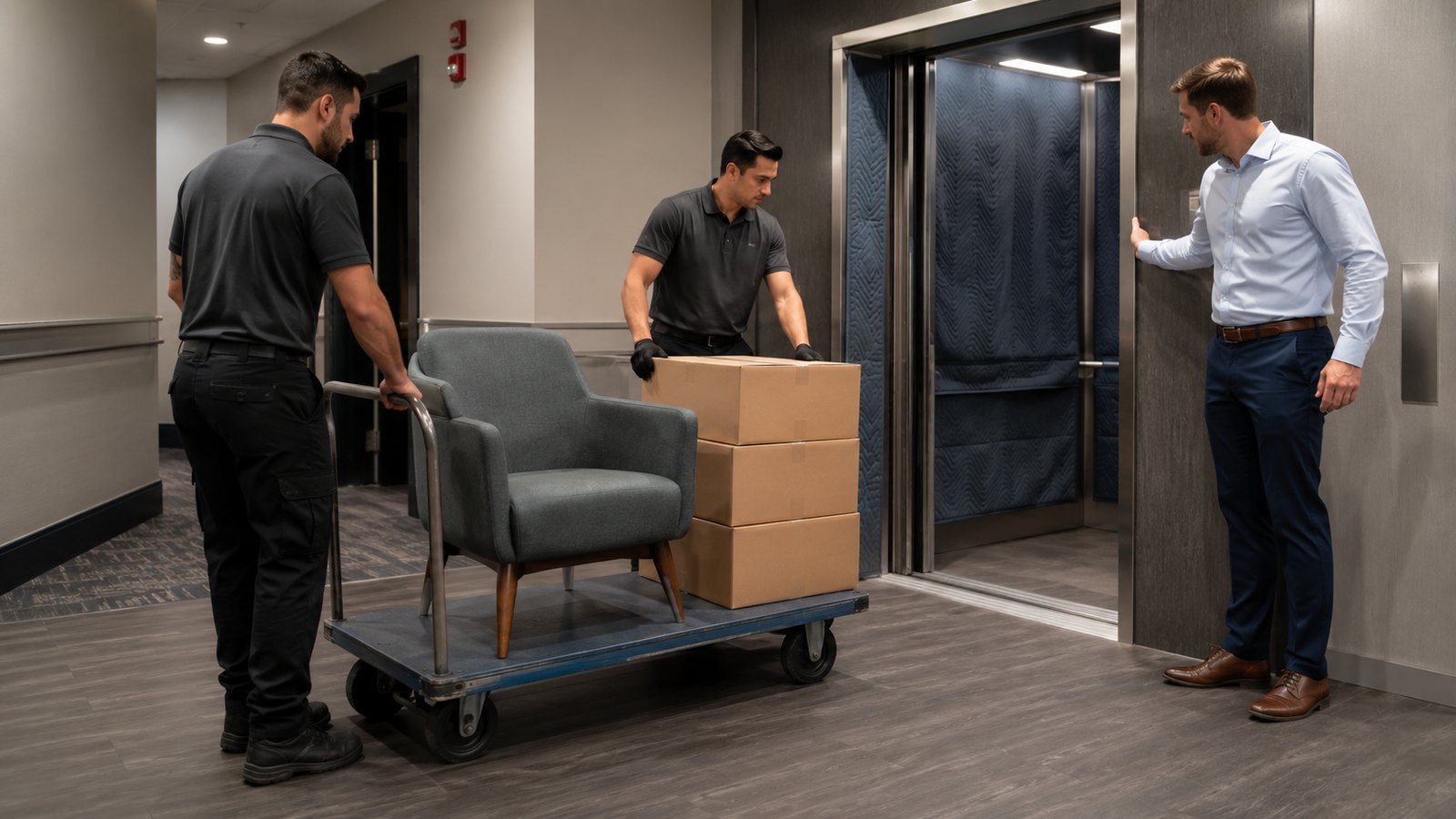
Removing unwanted furniture and ordinary household items from a condo involves more than carrying everything to a vehicle. Elevators may need to be reserved, loading spaces can be limited, doors may require a fob, and the route often passes through hallways used by residents. A job that looks small inside the unit can become slow and disruptive when those details are not settled first.
A practical condo junk-removal plan starts with the building, then the items, then the loading route. This guide is for Ottawa condo owners, real-estate agents and property managers arranging removal before a move, sale, renovation or tenant handoff. It covers ordinary non-hazardous contents rather than remediation, construction waste or unknown materials.
Contact the building before choosing the appointment
Condominium rules vary from one property to another. Ask the superintendent, manager or concierge what the building requires for moving furniture and removing larger items. Do this before confirming a service window, since the available elevator time may determine the appointment.
- Whether a service elevator must be booked.
- Available moving hours and the length of the reservation.
- Whether elevator pads are supplied by the building.
- Deposit, insurance or contractor-document requirements.
- Which entrance, loading bay or parking space must be used.
- How doors, elevators and restricted areas are accessed.
- Whether the building needs advance notice for residents.
Confirm the rules in writing when possible and share the approved access window before the crew arrives. A quote request or tentative time is not a substitute for a building reservation.
Define the removal scope item by item
Photos help, but a written item list is even more useful in a condo because vehicle access and elevator time are constrained. Count large pieces separately and describe anything that is unusually heavy, fragile, long or difficult to turn through a doorway.
- Sofas, chairs, tables, desks and bed frames.
- Mattresses and box springs.
- Shelving, cabinets and storage units.
- Bagged clothing and sealed boxes of household goods.
- Small appliances and electronics.
- Loose items that still need to be packed.
- Items located in a locker, balcony or parking space.
Show the full item and the space around it. A close-up of a dresser does not reveal the narrow bedroom door or the turn at the hallway. Include photos of the unit entrance, elevator and any stairs or long corridors on the route.

Decide what is leaving and where it should go
Separate keep, transfer, donation, recycling and disposal decisions before removal day. The crew should not have to interpret an unmarked pile while the service elevator is running on a timer. Use clearly separated areas or a simple item list rather than relying on labels that may fall off.
Donation and recycling depend on the item’s condition, the receiving organization and current acceptance rules. Do not promise a destination until it is confirmed. Items that are broken, incomplete, heavily worn or unsuitable for reuse may require disposal instead.
Prepare furniture without damaging the unit
Empty drawers, cabinets and shelving before they are moved. Remove loose shelves, glass panels and detachable parts where appropriate, and place hardware in a sealed bag that stays with the item if it is being kept or transferred. Confirm in advance whether disassembly is included; some pieces need tools, instructions or more time than the loading window allows.
Measure the largest pieces against doorways, elevator openings and tight turns. Protect new flooring and avoid dragging furniture across thresholds. Never lower items from a balcony or use an improvised route through restricted areas. If an item cannot travel safely through the approved path, flag it before scheduling.
Protect common areas and preserve resident access
The route belongs to the whole building. Keep carts and removed items out of fire routes, stair doors and active resident paths. Use the approved elevator, install building-supplied pads when required, and avoid holding secured doors open longer than necessary.
- Walk the unit-to-loading route before moving the first item.
- Note low fixtures, tight corners, door closers and floor transitions.
- Use suitable carts and controlled loads rather than overstacking.
- Keep one side of a wide corridor available where practical.
- Check floors, walls and elevator surfaces after the final trip.
For an occupied building, consider delivery periods, school return times and resident traffic when selecting the access window. The property manager may know when the lobby and elevators are least congested.
Confirm the loading location and vehicle limits
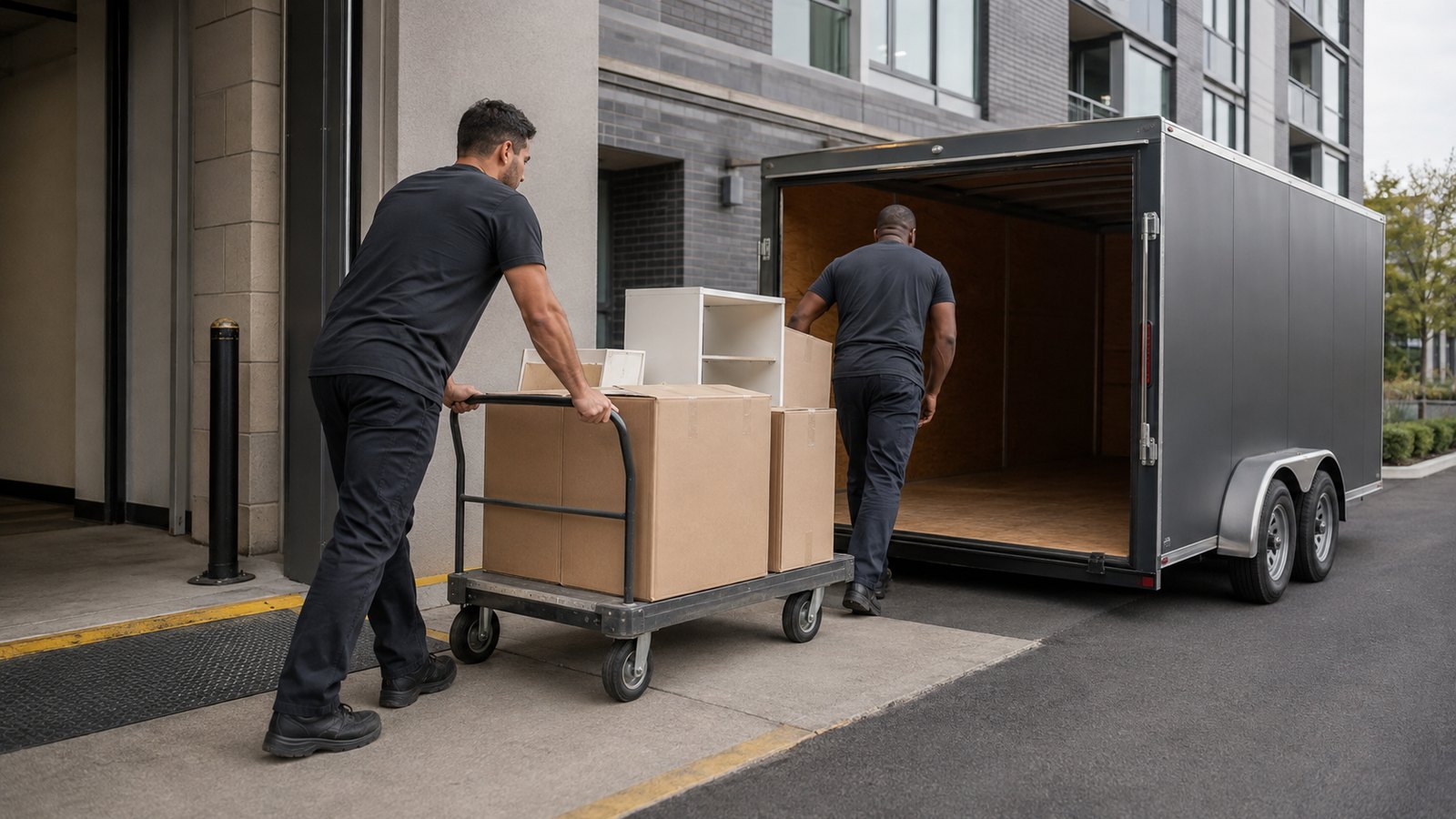
A loading bay may have a height restriction, locked door, short reservation or shared schedule. Street access can involve limited stopping space, winter snowbanks or a long carry from the building entrance. Provide photos of the loading area and explain whether the vehicle can remain there for the full appointment.
If parking authorization, a loading permit or concierge sign-in is required, arrange it before arrival. Also identify the path between the elevator and vehicle, including ramps, curbs, exterior steps and automatic doors. These details affect the equipment, crew and realistic amount of work that can fit inside the booked window.
Flag items that need separate handling
Ordinary non-hazardous household contents can still include items that affect the plan. Identify mattresses, large appliances, electronics, broken glass, sharp metal, liquids, paint, chemicals, propane cylinders, medical waste or anything with an unknown substance. Some items may require a specific destination, safer packaging or a service outside the agreed scope.
Do not conceal liquids, chemicals, batteries or sharp objects inside boxes or bags. If there is mould, sewage, animal waste, suspected asbestos, needles or another hazardous condition, stop and arrange appropriate specialist guidance before ordinary junk removal continues.
Plan the clean handoff after the last load
Once the large items are gone, inspect the locker, closets, balcony and rooms for small pieces that were missed. Remove agreed loose non-hazardous debris, then check the travel route for packaging, dirt or marks. If interior clean-up or carpet cleaning is also required, schedule it after the removals so the cleared surfaces are accessible.
For a sale, rental turnover or move-out, take final photos of the empty areas and return elevator pads, keys or access fobs according to the building’s process. Confirm that no item has been left in the garbage room or loading area unless the property manager expressly approved it.
What to send for a firm quote
Send wide and close photos of every item, the Ottawa address, your deadline, the unit floor, elevator-booking details, parking or loading instructions and photos of the route from the unit to the vehicle. Mention lockers, stairs, long corridors, oversized pieces, disassembly needs and any item requiring separate handling.
Mattabo Property Care is fully insured for the services it provides. Same-day service is often available but is not guaranteed until Mattabo confirms the appointment.
Photos are illustrative examples of typical residential service results.